
ADVERTISEMENT
The planned changes to passenger rights have been put on hold for the time being. This means that an important rule remains in place for travellers on the Costa Blanca: anyone arriving at their destination at least three hours late may still be entitled to compensation.
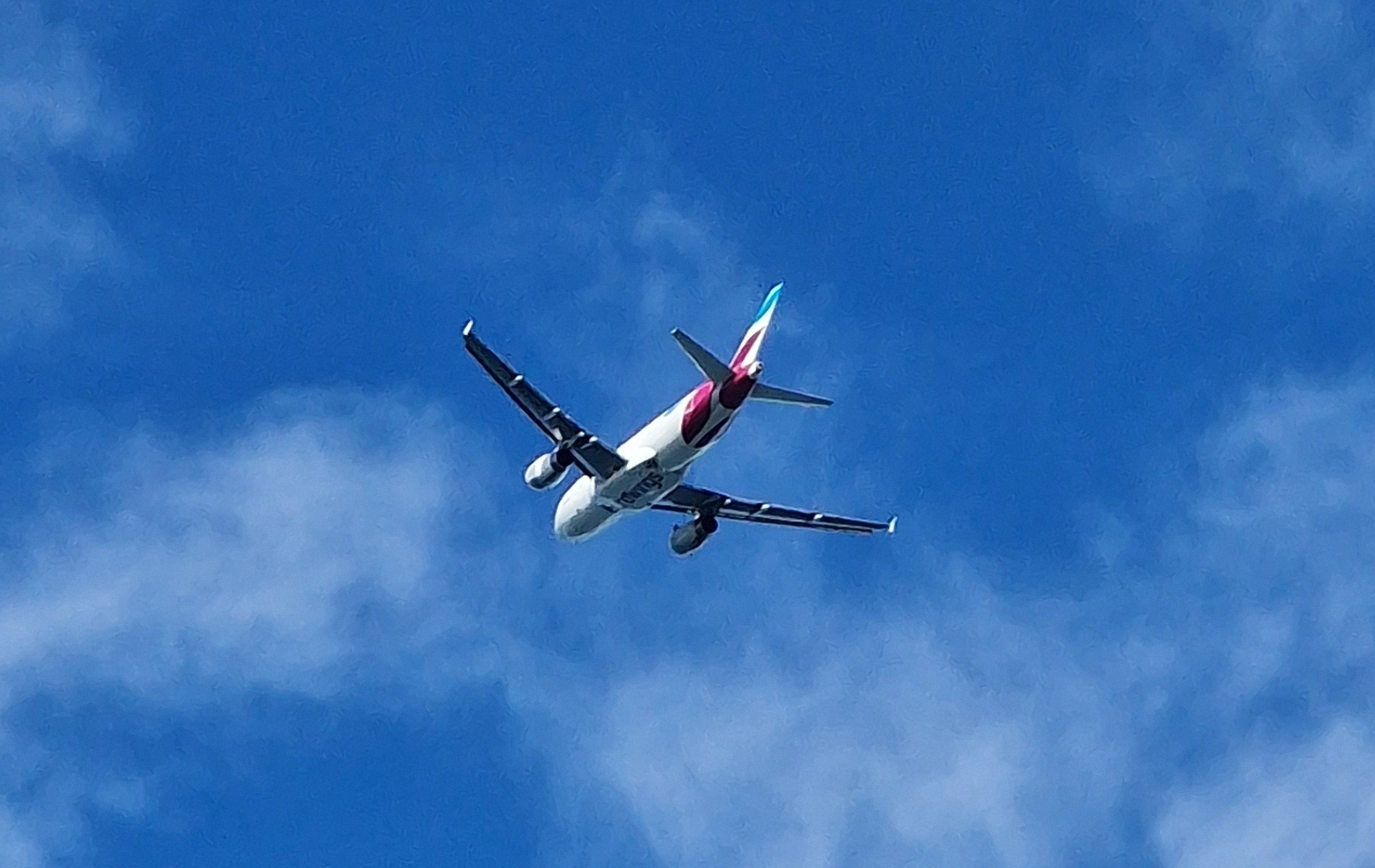
Alicante-Elche, Miguel Hernández, Valencia, Murcia-Corvera: for many residents of the Costa Blanca, flying is part of everyday life. Visiting family, appointments, business trips, connecting flights – when flights are delayed, every hour counts. That is precisely why the recent agreement reached in Brussels is relevant to so many passengers.
Following weeks of negotiations on the reform of EU air passenger rights, the existing compensation rules are set to remain largely unchanged. According to Reuters and ZDF, EU member states have withdrawn their demand to limit compensation payments to delays of four hours or more. As things stand, the three-hour rule will therefore remain in place.
Passengers who arrive at their destination at least three hours late may still be entitled to a fixed-rate compensation payment. The amount depends on the flight distance:
This applies to many short-haul flights within Europe. It is not just the delayed departure that matters, but the actual arrival time at the destination.
For longer European routes and many connections between Spain and other EU countries, the compensation of €400 remains in place.
On long-haul flights, passengers should still be able to receive up to €600 if the conditions are met.
Compensation is only payable if the airline is responsible for the delay.
This may include technical problems, organisational errors or delays in scheduling.
The situation is different in exceptional circumstances, such as extreme weather, security risks or certain strikes beyond the airline’s control. In such cases, the entitlement may not apply.
Passengers should therefore ensure that they keep a record of their flight number, booking confirmation, boarding pass, any notifications from the airline and the actual arrival time. Anyone wishing to make a claim should first contact the airline directly.
The reform does not only concern compensation. In future, airlines will be required to present their prices more transparently, particularly with regard to hand luggage and additional charges during the booking process. The aim is to enable travellers to compare flight prices more easily and to ensure that charges are not only revealed at a late stage in the booking process.
Families should also be better protected. Children and accompanying adults should not be separated without good reason when travelling together. Clear protection rules should also apply to people with reduced mobility.
The compromise is an important step, but it is not yet a law that has been finally adopted. The European Parliament’s negotiators intend to examine the text on Monday, 15 June 2026, in Strasbourg. After that, the Parliament and the EU Member States will still have to formally approve the reform.
Until then, the current EU air passenger rights will continue to apply. For travellers departing from Alicante, Valencia or Murcia, this means that a three-hour delay on arrival remains the key threshold for potential compensation.
ADVERTISEMENT