
ADVERTISEMENT

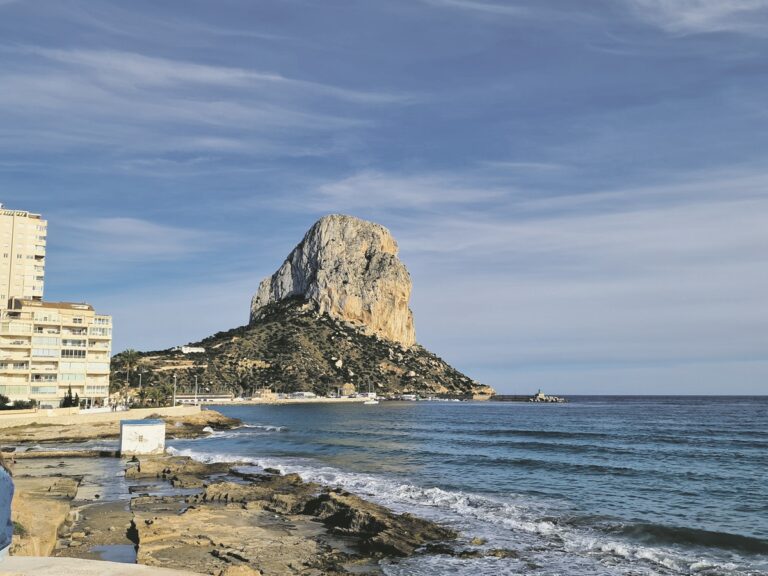
The Spanish weather agency AEMET is forecasting plenty of sunshine, dry air and rising temperatures for the province of Alicante over the coming days. The difference between coastal towns and inland areas is particularly striking: According to AEMET, maximum temperatures in Alicante city will generally range from 32 to 35 degrees, whilst in Benidorm and Torrevieja they will be slightly lower or just above that. In Dénia, however, temperatures are forecast to reach up to 37 degrees, in Xàbia up to 36 degrees and in Calp up to 35 degrees.
The forecast is significantly more severe in the hinterland and in the south of the province. In its latest 7-day forecast, AEMET predicts maximum temperatures of up to 39 degrees in Elche, up to 41 degrees in Orihuela and up to 42 degrees in Villena. This means the warning affects not only traditional inland communities, but also areas that play a part in the daily lives of many residents of the Costa Blanca: commutes, shopping, doctor’s appointments, building sites, agriculture, delivery services and journeys between the coast and the hinterland.
For Tuesday, 14 July, AEMET has issued a yellow warning for the interior of Alicante due to temperatures of up to 38 degrees. For Wednesday, 15 July, temperatures of 40 degrees are forecast for the interior of Alicante; in the southern coastal area of the province of Alicante, the AEMET forecast is for up to 37 degrees. The warning applies during the hottest hours of the day, i.e. from early afternoon into the evening.
The weather conditions are not limited to Alicante. AEMET is forecasting a very unfavourable week for the Comunitat Valenciana, with prolonged spells of hot weather, Saharan dust in the air and possible dry thunderstorms inland. It is precisely this combination that can increase the strain: it is hot, the air feels heavier, and dry thunderstorms further increase the risk of fire.
A hot July day is nothing new on the Costa Blanca. Things become problematic when high daytime temperatures are followed by warm nights. In such cases, homes cool down less effectively, the body struggles to relax properly, and minor everyday mishaps seem to carry greater weight.
Older people, young children, pregnant women, those with chronic illnesses, people with cardiovascular problems and those who work outdoors are particularly at risk. Even those who „just pop out“ at lunchtime to do some shopping, work in the garden or walk their dog on hot tarmac often only realise the strain it puts on them when it’s too late.
In its programme „High Temperatures – Heatwave 2026“, the Conselleria de Sanidad of the Generalitat Valenciana highlights the health risks associated with high temperatures. These include dehydration, heat stress and, in severe cases, heatstroke. The Spanish Ministry of Health also emphasises that older people and children are particularly vulnerable to extreme heat.
Appointments, shopping, sport and gardening should, where possible, be done early in the morning or in the evening. In these weather conditions, the hours between 12 noon and 5 pm are the least favourable time for any physically demanding activity
Anyone working outdoors should not regard breaks, shade and water as a matter of comfort, but as a safety measure.
You shouldn’t wait until you start to feel a headache, dizziness or tiredness before you start drinking. Water is a better choice than alcohol, very sweet drinks or several strong coffees in quick succession. In hot weather, the body reacts more quickly than usual.
Flats should be kept closed and darkened as much as possible during the day. They should be aired early in the morning and late in the evening. Awnings, roller blinds and curtains are often more effective than a fan, which merely circulates warm air.
When it comes to eating, smaller portions are usually easier to digest.
Salads, fruit, vegetables, gazpacho, cold soups or simple dishes put less strain on the circulatory system than heavy meals.
Older people often have a reduced sense of thirst. Relatives and neighbours should therefore err on the side of caution and check a few times over: Is there enough water in the house? Is the flat cool enough? Does the person seem unusually tired, confused or weak?
Children overheat more quickly than adults. They should not play in the sun for long periods during the hottest part of the day. Pushchairs must not be completely covered with cloths, as heat can build up underneath them.
Dogs and cats also need more attention at this time of year. Walks should take place early in the morning or late in the evening. Tarmac can become very hot and cause injury to their paws. Children and pets must never be left in a parked car – not even for a few minutes.
Headaches, dizziness, nausea, muscle cramps, unusual weakness, a rapid pulse or confusion can be early warning signs. Anyone affected should immediately move out of the sun, sit or lie down, loosen their clothing and be gently cooled.
Water should only be given if the person is awake and responsive. In the event of impaired consciousness, severe confusion, breathing difficulties, very hot skin, persistent vomiting or suspected heatstroke, dial 112 immediately.
At AEMET, a yellow alert is not a state of emergency. However, it sends a clear message: the weather can pose a risk to vulnerable people and if people do not take the necessary precautions.
For the Costa Blanca, this now means: do not underestimate coastal conditions, keep a close eye on the inland areas, avoid the midday heat, drink plenty of fluids and actively protect those at risk. The next few days are no cause for panic – but neither is this a time for complacency.
Source: AEMET, Ministry of Health
ADVERTISEMENT