
ADVERTISEMENT
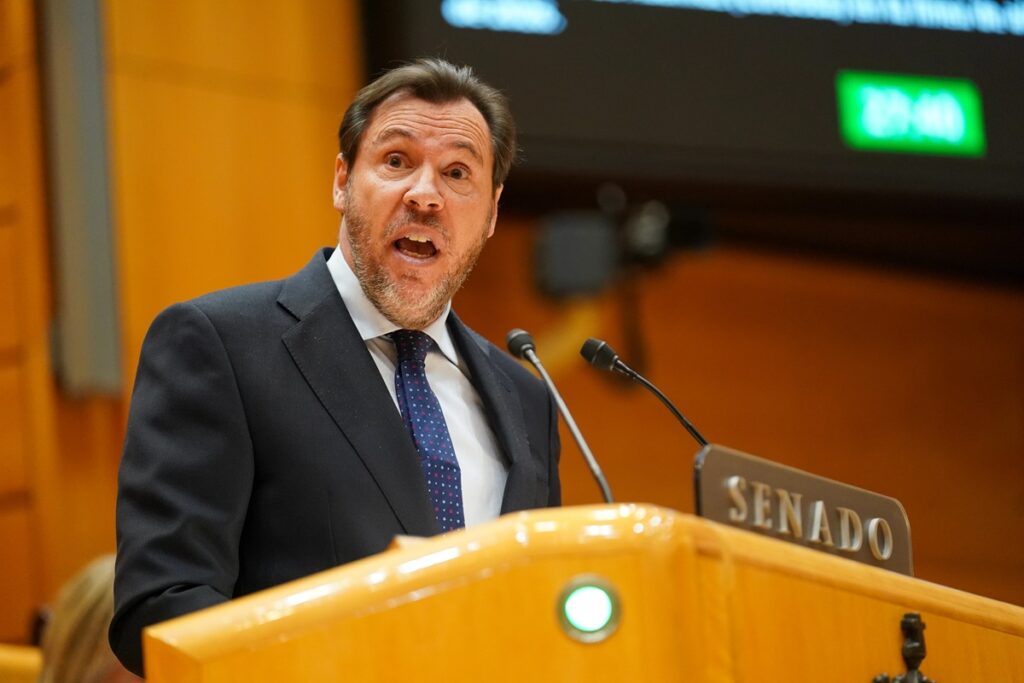
As recently as Friday, Óscar Puente had refused to resign. Four days later, Spain’s Transport Minister announced his resignation before Parliament. The PSOE politician has thus taken political responsibility for the train disasters at Adamuz and Urda, without admitting any personal blame for the causes of the accidents. At the same time, he has withdrawn his candidacy for the general election on 29 November.
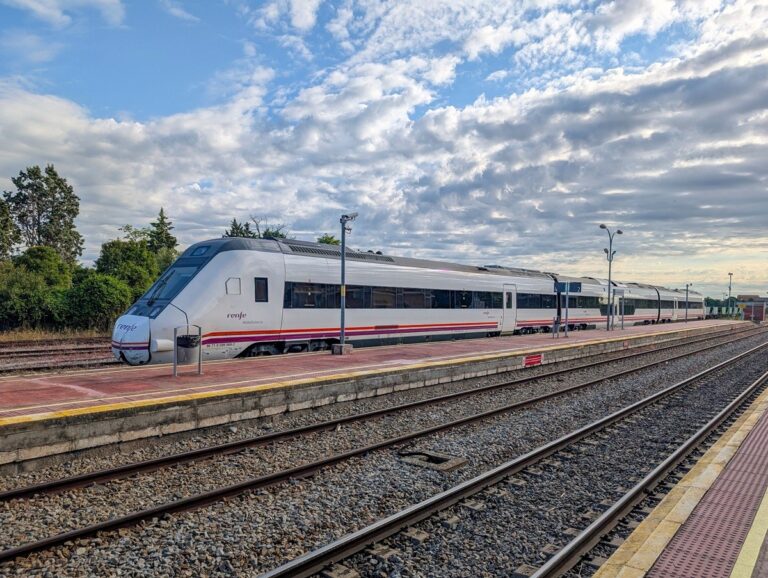
In January, 46 people died in a train crash near Adamuz in Andalusia. On 28 October, at least 69 people were killed when two high-speed trains collided near Urda in the province of Toledo.
Puente explained that he had already decided to resign on the day of the Urda disaster. However, he did not inform Prime Minister Pedro Sánchez until shortly before his statement in Parliament. He justified his decision on the grounds of political dignity and compassion for the victims.
Investigations into both disasters are ongoing. In the case of the Urda disaster, they are focusing, amongst other things, on the failure of a safety system and the subsequent instructions issued by the train control centre in Madrid.
Prime Minister Pedro Sánchez praised Puentes’ decision. The conservative Partido Popular (PP), however, considers the resignation long overdue and accuses the government of failing to maintain the rail network. Vox is also calling for Sánchez to resign.
This means that it is no longer just Puente’s political responsibility that is under scrutiny. The issue at stake is the safety of the Spanish rail network and whether existing control systems and maintenance measures are adequate.
The PP has already announced that, should it win the election, it intends to prioritise the maintenance of existing railway lines over new expansion projects.
For the province of Alicante, the future direction of national rail policy is of particular interest. The Ministry of Transport is responsible for major infrastructure projects, including the high-speed rail links to Madrid and the expansion of the Mediterranean Corridor (Mediterranean Corridor).
Several major projects are currently underway in the Comunitat Valenciana. These include the extension of Alicante-Terminal railway station, the modernisation of the line between La Encina and Alicante, and the planned Torrellano bypass.
In 2026, a total of 267 million euros was invested solely in the conversion of the La Encina–Alicante section of the line to international gauge. The upgrade is intended to improve connections between Alicante, Valencia and the European rail network.
Puente’s resignation does not mean that these projects will be automatically put on hold, nor does it mean that there will be any changes to existing timetables. The priorities set by the new ministry leadership in the areas of safety, maintenance and expansion will be crucial for future developments.
The resignation comes just a few days before the official start of the election campaign on 13 November. Puente was due to stand as the PSOE’s lead candidate in the province of Valladolid. He has also withdrawn his candidacy.
For Sánchez, this is a political setback. The train disasters and the state of the rail network have already become campaign issues. It remains to be seen whether his resignation will influence the election outcome.
On 29 November, elections will be held across Spain to elect the new Congreso de los Diputados and the Senado, including in the province of Alicante and the rest of the Comunitat Valenciana.
Foreign residents who are not Spanish nationals are not permitted to vote in this general election.This also applies to EU citizens who live permanently in Spain. Spanish nationals are eligible to vote, provided they meet the legal requirements.
Prime Minister Sánchez will decide on Puentes’s successor. Until he is formally dismissed, the outgoing minister remains legally in office.
The change of minister does not put an end to the political debate. The investigations into the two train disasters are continuing, as is the discussion about additional safety measures. Ultimately, what matters most to Spain’s rail passengers will be the specific improvements that result from these investigations.
ADVERTISEMENT