Costa Blanca Magazine

ADVERTISEMENT

Tapas and pintxos on the Costa Blanca: why Benidorm sets the tone here

Tapas, pinchos and pintxos on the Costa Blanca: why Benidorm with Calle Santo Domingo is considered a hotspot - plus places from Dénia to Torrevieja.
People like to eat well between Dénia and Torrevieja. But hardly any other place on the Costa Blanca has brought the small format to the streets as visibly as Benidorm. Calle Santo Domingo shows why tapas, pinchos and pintxos are more than just a bite to eat before dinner.

Calle Santo Domingo: Benidorm in a small format

There is a moment in Benidorm when the city suddenly changes volume. Just a moment ago it was a wide avenue, sea views, hotel silhouettes, a babble of voices from all the languages of Europe. A few steps further on, in the old town, everything becomes narrower, more direct, more Spanish. The alleyways draw closer together, the bars are full, the warm smell of toasted bread, fried croquetas, garlic, pickled anchovies and freshly tapped beer wafts from the bars.

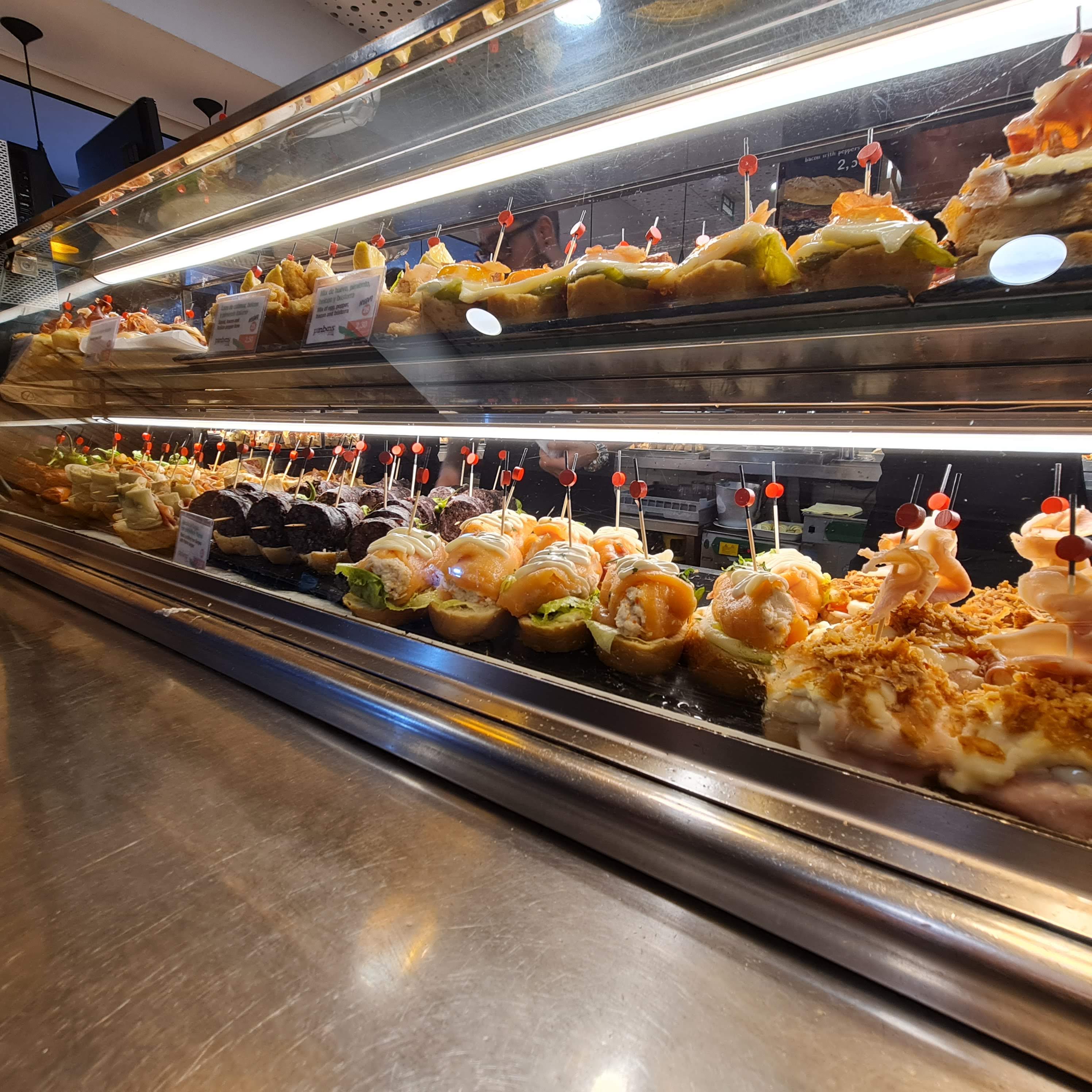
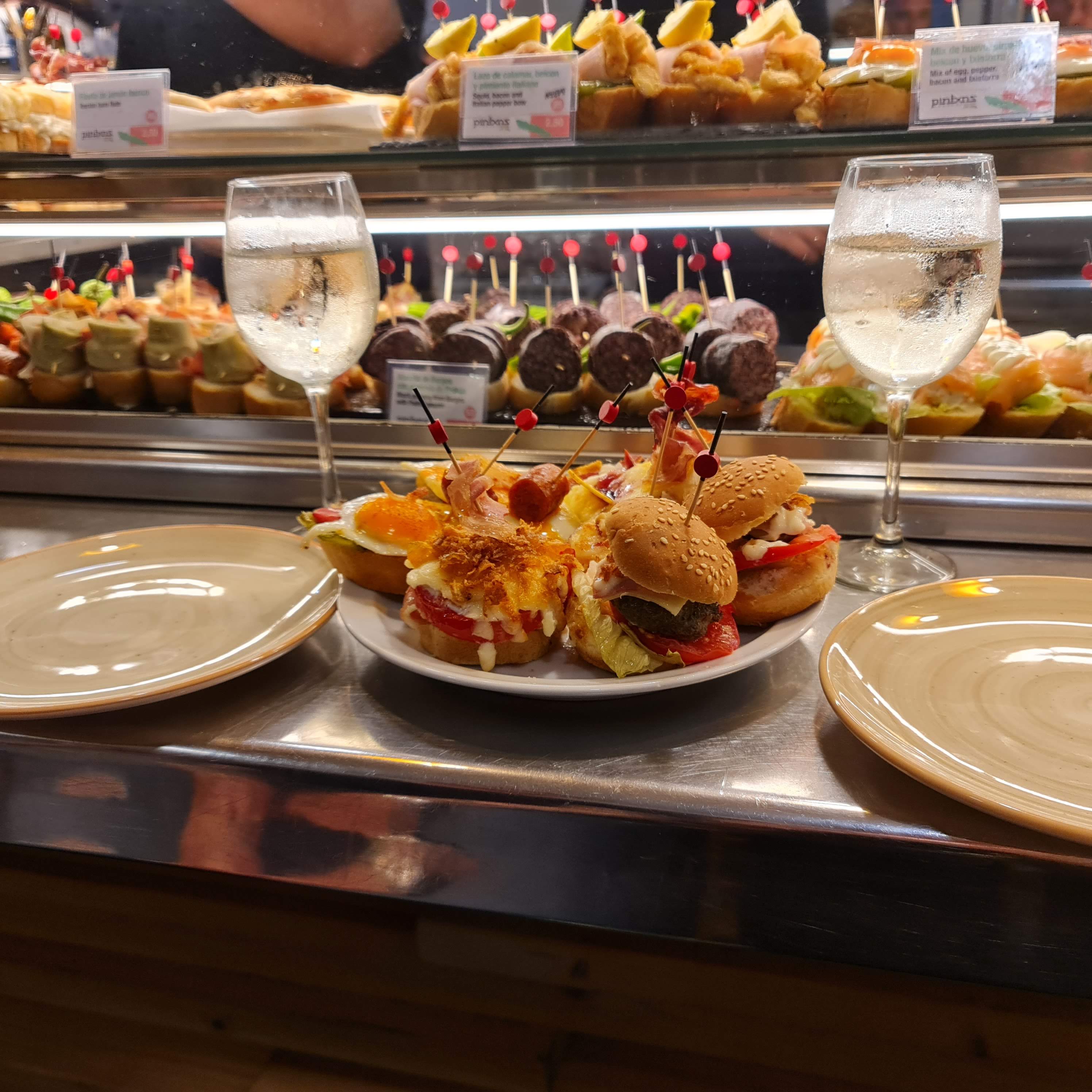
Around the Calle Santo Domingo, the Plaza de la Constitución and the small side streets, Benidorm shows a side that is easy to overlook if you only look at the city from the outside. Here it's not about long menus and big plates. It's about looking, choosing, tasting and moving on. A pintxo here, a tapa there, a glass of wine, a quick greeting, a seat at the bar when one becomes available.

It is no coincidence that this area is called the „Zona de los Vascos“. Benidorm has brought a little piece of northern Spanish food culture to the Mediterranean coast. Not as folklore, but as lived bar practice: small portions, visible counters, quick decisions, lots of movement. This is exactly where the appeal lies.


Tapas, pinchos, pintxos: what is actually what?

The terms are often confused. This is not dramatic in everyday life, but it is helpful for categorisation.

One Tapa is the big collective term. It refers to a small portion that is eaten with a drink. It can be a slice of tortilla, a small plate of ensaladilla, a few boquerones, albóndigas in sauce, patatas bravas, pimientos de padrón, croquetas or a small portion of stew from the kitchen.

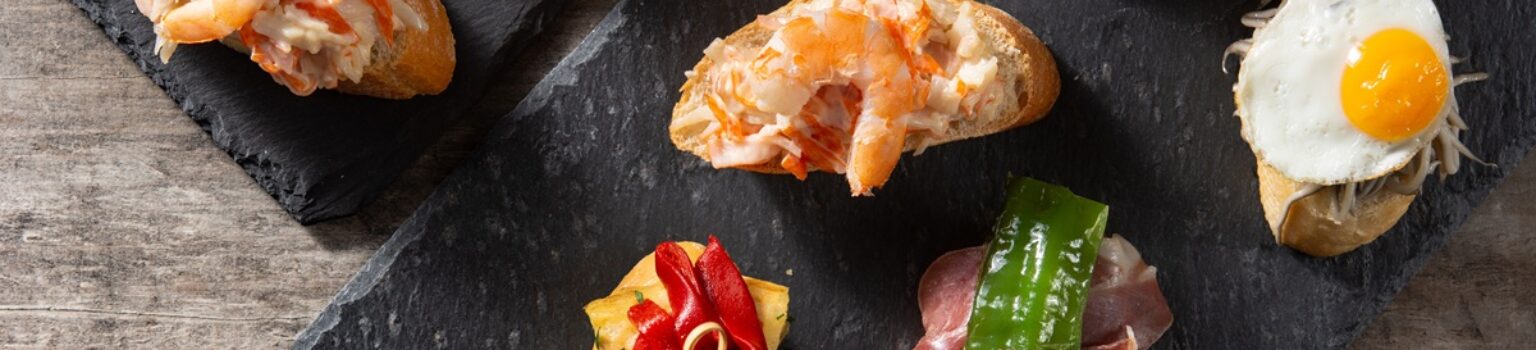
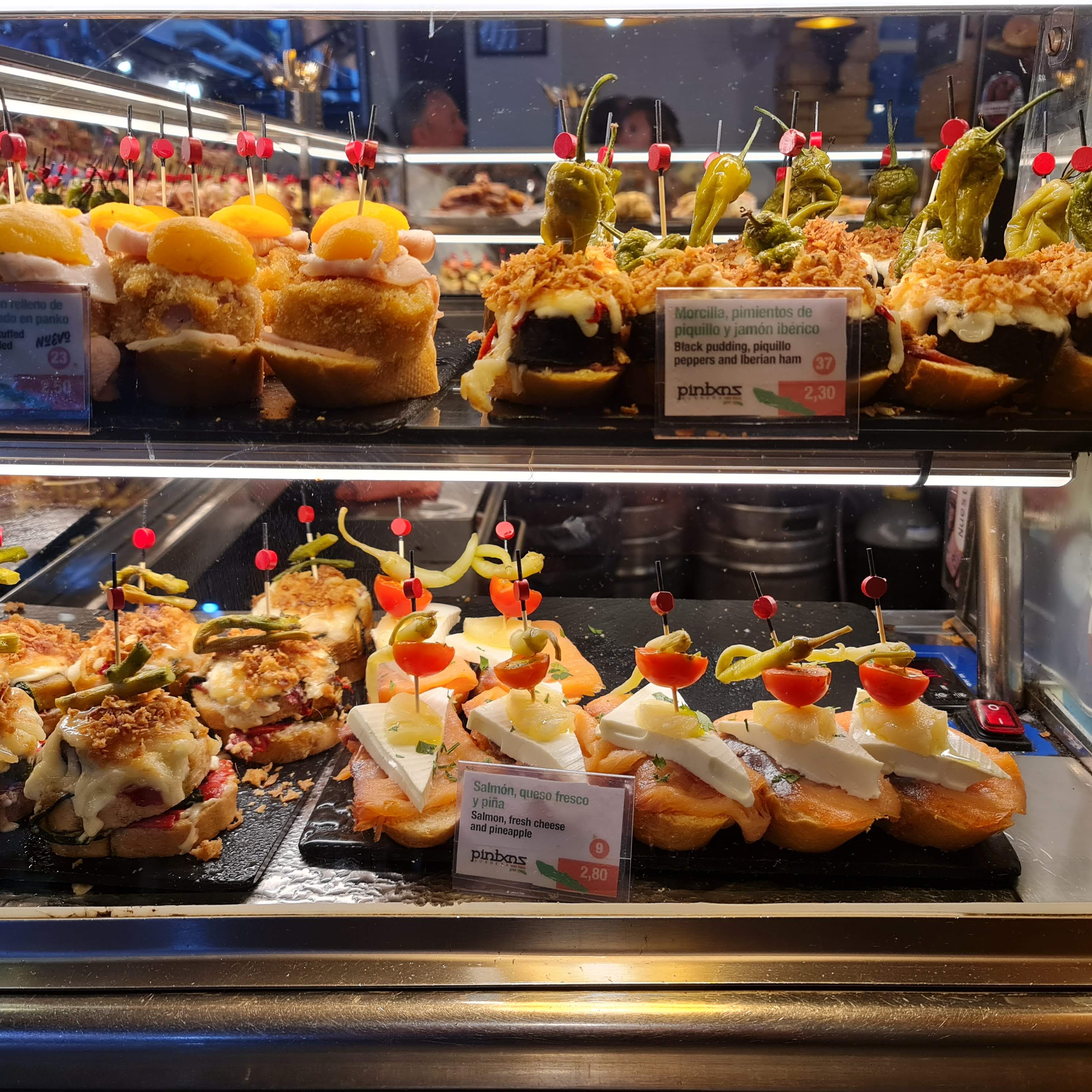
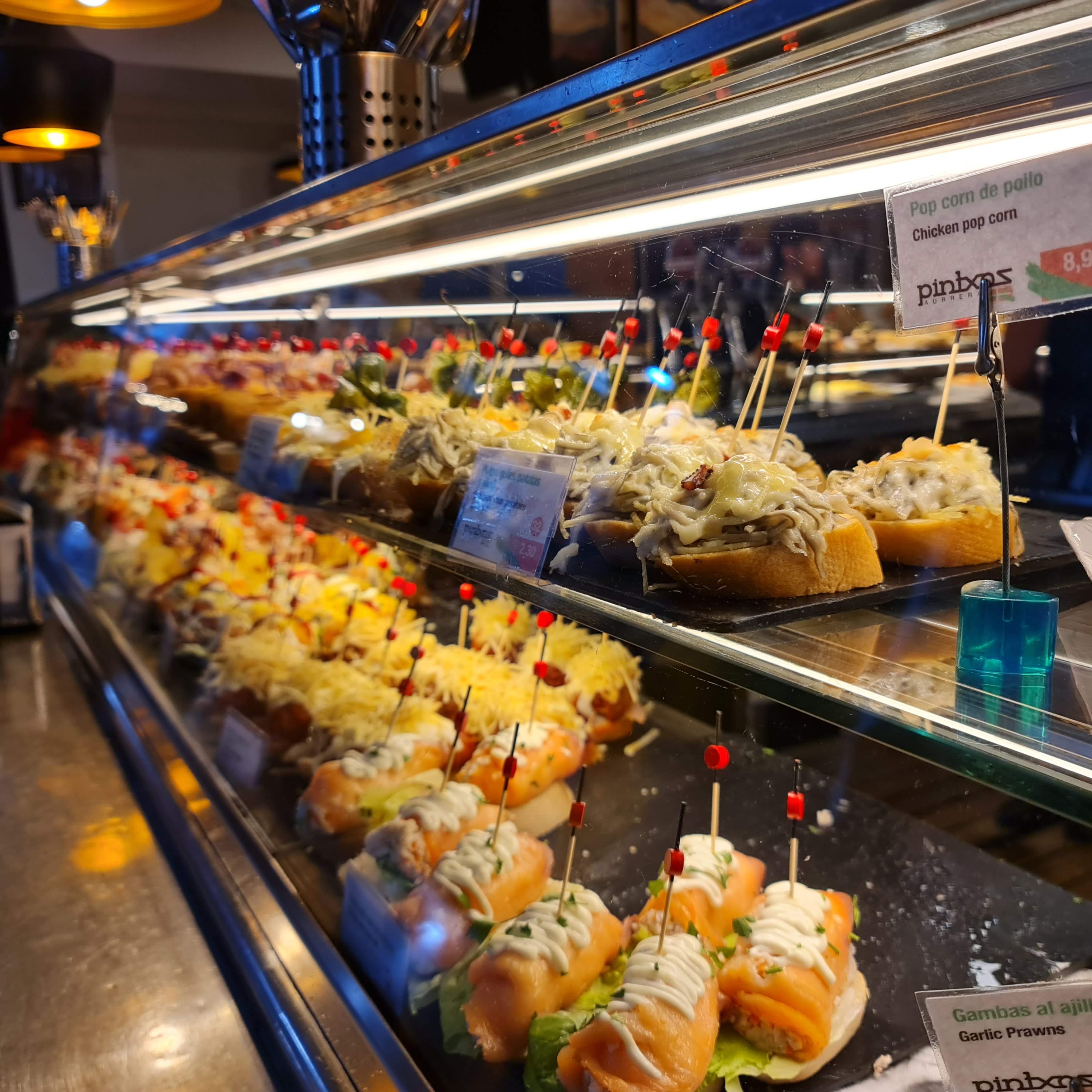
Pincho is usually more compact. It is often placed on bread, and a toothpick frequently holds the ingredients together. The name comes from the Spanish „pinchar“, meaning to skewer or prick. In many bars, pinchos are displayed openly on the counter. You take what looks good and pay by the piece or plate.

Pintxo is the Basque spelling. In culinary terms, the term stands for a particularly distinctive bar culture from northern Spain, especially from the Basque Country. There, a pintxo can be simple, but also very precisely constructed: a small dish in a bite or on a slice of bread, sometimes classic, sometimes almost like miniature cuisine.

In short: tapas are the big family, pinchos and pintxos the more pointed, often counter-orientated form.


Why Benidorm is special for pintxos on the Costa Blanca

Benidorm is not the only place on the Costa Blanca where you can find good tapas. But Benidorm has something that many other places don't have in this density: a clearly recognisable tapas and pintxos zone.

Calle Santo Domingo does not function as a single address, but as a small system. There are several bars right next to each other, many with open counters, montaditos, raciones, hot and cold pintxos. If you're out and about here, you rarely stay in just one place. You walk a few metres further, see what's on the next bar, order a glass and try it all.

That suits Benidorm surprisingly well. The city is a city of movement anyway: People come and go, languages change, habits mingle. In the old town, this becomes a culinary miniature. For this very reason, the Zona de los Vascos does not seem like an artificial gastronomic district, but rather like an integral part of the city.


Classic in the Zona de los Vascos

Some names are firmly part of the tapas and pintxos narrative in Benidorm. La Cava Aragonesa in the Plaza de la Constitución is one of the best-known addresses in the area. The restaurant has been around for decades and offers a wide selection of small formats, including toasted bread with tomato and olive oil, combined with cold meats, cheeses, salazones, smoked meats, seafood and hot tapas.

Pintxos Aurrera also clearly fits into this line. The restaurant describes its concept as Basque-inspired and is orientated towards the pintxos culture that is familiar from the old towns of northern Spain. Gaztelutxo in Calle Santo Domingo also focuses on Basque-Mediterranean cuisine, tapas, raciones and montaditos.

The important thing for readers is that this is less about a single „best bar“ and more about the interaction. Calle Santo Domingo thrives on the fact that you don't just make a reservation, order and stay seated. You let yourself drift, eat standing up, share a few plates, order after making eye contact with the bar. It's uncomplicated, but not arbitrary.


Current event: Benidorm Gastronómico 2026

Benidorm now also officially cultivates this food culture. Within the framework of Benidorm Gastronómico 2026 takes place from 19 to 28 June 2026 the XVI Concurso de Tapas y Pinchos takes place. Participating establishments present their creations; awards are given for the best tapa or the best pincho and the most popular variation, as voted for by the public.

For the city, this is more than just a competition. It shows that tapas and pintxos on the Costa Blanca have long been more than just an accompaniment to a drink. They have become a format in their own right: fast, accessible, close to the product and ideal for places where gastronomy takes place not only at the table but also on the street.


What's on the plate: classics between the Basque Country and the Mediterranean

The choice in Benidorm is wide. The counters are stocked with classic montaditos, small sandwiches with cheese, jamón, chorizo, anchovies, tuna, peppers, tortilla or seafood. 

These are accompanied by warm tapas such as croquetas, albóndigas, small meat skewers, fried mushrooms, prawns, mussels or mini portions from the pan.

The mixture is typical of the Costa Blanca. The Basque style meets Mediterranean products. Salazones, i.e. salted fish specialities, traditionally play a role in Alicante and the surrounding area. Pickled products, olives, tomatoes, small portions of rice dishes, seafood, cuttlefish and pulpo are also common.

In addition, there is something that many residents have long known as an integral part of Spanish bar culture: You don't necessarily eat according to a schedule. A tapa can be the start of the evening, a quick stopover after the market, a small lunch or an uncomplicated meeting point with friends.


Not just Benidorm: tapas along the Costa Blanca

With its Calle Santo Domingo, Benidorm may be the most visible pintxos town on the Costa Blanca. But small plates have long been part of everyday gastronomic life along the coast. In Dénia, tapas culture is combined with a strong restaurant scene and local produce. In Alicante, tapas bars are dotted around the old town, market area and city centre. Calpe brings fish, seafood and events such as FiraCalp into play. Villajoyosa focuses more on maritime cuisine and local tradition.

Further north, Xàbia/Jávea, Moraira and Altea are interesting because they combine old town, harbour and international resident culture. In the south, Torrevieja and Orihuela Costa offer a different picture: more urban, more characterised by international residents, but also with tapas routes, bars and many addresses suitable for everyday life.

The difference lies in the character. Benidorm has the concentrated pintxos alley. Dénia has gastronomic weight. Alicante has urban breadth. Calpe and Villajoyosa bring the maritime accent. Moraira, Altea and Xàbia function on a smaller scale, often somewhat quieter, but with a lot of town centre atmosphere.


Ten places for tapas, pintxos and small plates on the Costa Blanca

This overview is not a ranking, but a guide for readers looking for tapas, pintxos and small plates between Marina Alta, Marina Baixa and the south of the province.

1. benidorm

Benidorm is the best place for pintxos on the Costa Blanca. Calle Santo Domingo and the surrounding Zona de los Vascos provide exactly what you need for a tapas round: short distances, full counters, lots of bars and a clearly recognisable concept.

2 Dénia

Dénia is already a gastronomic heavyweight on the Costa Blanca. Tapas are not just a bar snack here, but part of a broad food culture between the market, harbour, old town and creative cuisine.

3. alicante

Alicante offers the widest urban spectrum. Around the old town, Mercado Central, Rambla and harbour you will find a dense mix of classic tapas bars, modern gastronomic concepts and uncomplicated addresses for everyday life.

4th Calpe

Calpe has a maritime focus. Fish, seafood, rice dishes and small bar portions characterise many menus. It becomes particularly interesting when local events make the gastronomy even more visible.

5. villajoyosa

Villajoyosa stands for cuisine with proximity to the sea and local identity. Those who see tapas not just as a snack, but as a small introduction to regional cuisine, will find a good approach here.

6. altea

Altea is not a classic pintxos hotspot, but it is a good place for small plates in the historic centre. Bars, bodegas and Mediterranean cuisine ensure that tapas here tend to be quiet and local.

7th Xàbia/Jávea

Xàbia's gastronomy is spread over several areas: The old town, harbour and Arenal. This is what makes the town so interesting. Tapas here can be traditional, maritime or more modern.

8th Moraira/Teulada

Moraira is smaller and more international, but has a good concentration of bars and restaurants in the town centre and at the harbour. Tapas are often a great way to start the evening.

9th Torrevieja

Torrevieja shows the urban side of the south. The city always has gastronomic routes and a large selection of bars, cafés and restaurants. For residents, the theme is particularly close to everyday life.

10th Orihuela Costa

Orihuela Costa is less compact than Benidorm, but is gastronomically diverse due to its international resident population. Tapas stand alongside many other cuisines here, but remain an important part of local bar life.


Why small plates go so well with the Costa Blanca

Tapas and pintxos don't work on the Costa Blanca because they look pretty, but because they fit in with everyday life. The region thrives on movement: Markets, harbours, old towns, residents, commuters, long-term holidaymakers, family visits, quick get-togethers after work. Not every evening needs a menu. Sometimes a plate in the centre, a glass and a bar where you don't have to explain yourself are enough.

This is exactly what makes Benidorm's Calle Santo Domingo so strong. In just a few metres, it shows what is still modern about Spanish food culture today: little formality, lots of choice, a direct atmosphere. A good tapa doesn't have to be loud. It just has to be placed on the counter at the right moment.