

ADVERTISEMENT
Between Dénia and Pilar de la Horadada, processions pass through historic centres during Holy Week. Brotherhoods, baroque sculptures and local rituals characterise one of the most important religious traditions in the province of Alicante.
When drums echo through the old town centres
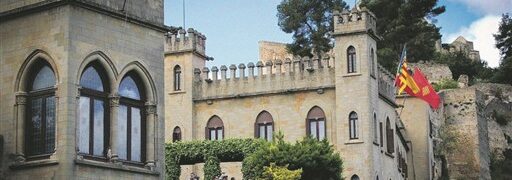
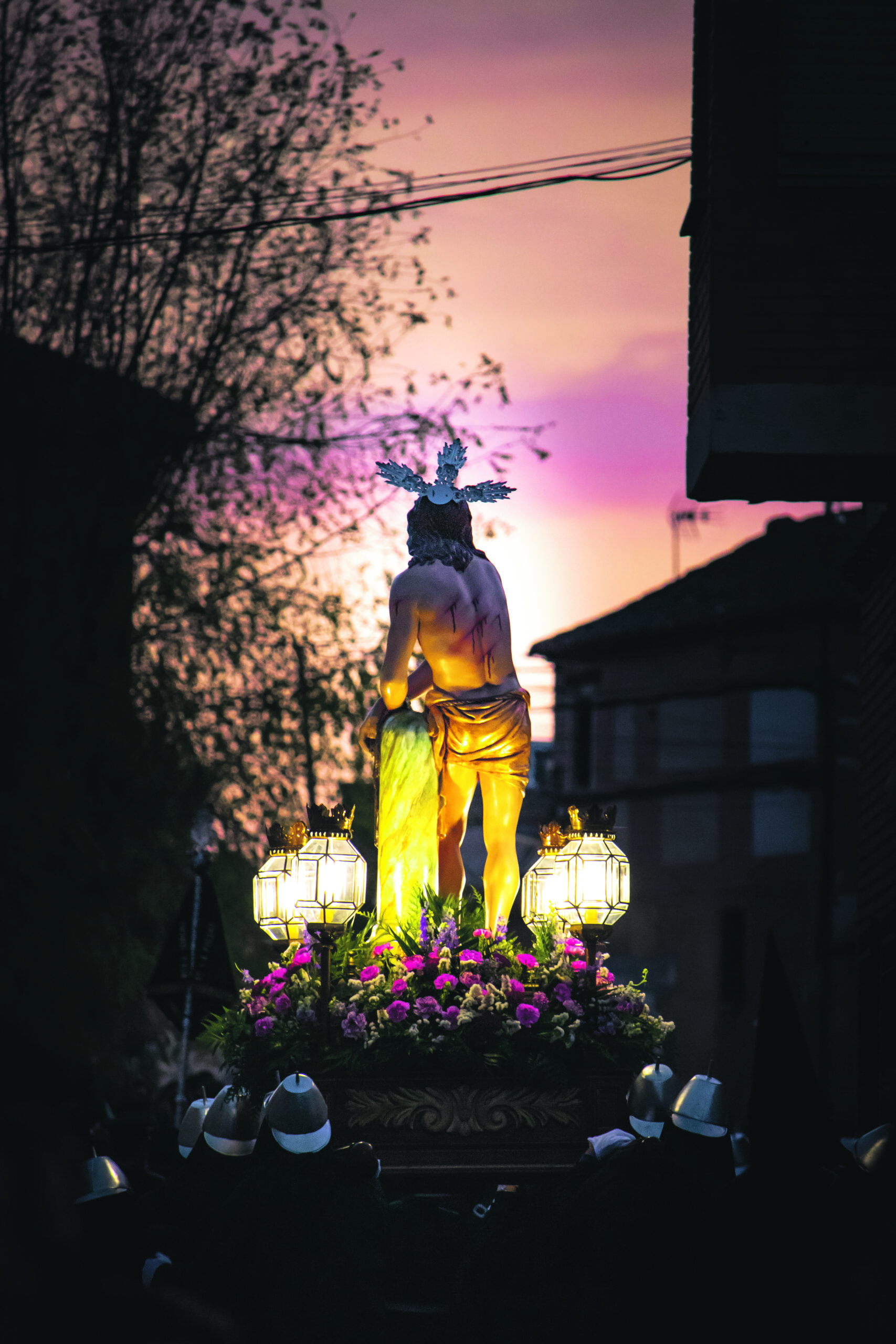
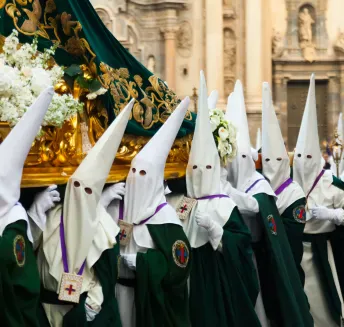
In the old town of Dénia In the early evening, dusk slowly descends over the alleyways. Members of a brotherhood gather in front of a church, candles are lit and drums beat out a calm rhythm. A little later, the procession sets off. A religious sculpture depicting a scene from the Passion of Christ is carried on a large platform, accompanied by musicians and participants in long robes.
Pictures like this are part of springtime all along the coast. From Jávea and Moraira via Calpe, Altea and Benidorm to Villajoyosa, Alicante, Torrevieja, Orihuela Costa and Pilar de la Horadada, Semana Santa, the Holy Week before Easter, characterises the life of many towns.
In 2026, Semana Santa will take place from 29 March to 5 April. The celebration commemorates the suffering, death and resurrection of Jesus Christ and is one of the most important religious festivals in Spain.
Brotherhoods as carriers of tradition
The organisation of the processions is in the hands of the cofradías, the traditional brotherhoods. In the province of Alicante, more than 60,000 people are involved in these associations, which prepare religious celebrations, restore statues and coordinate the processions.
Many of these brotherhoods have existed for centuries. Historical sources document processions in Alicante as early as 1600, and in many towns entire families have belonged to the same cofradía for generations.
The central element of Holy Week is the processions through the historic town centres. Large platforms - known as pasos - are carried through the streets. On them are religious sculptures depicting scenes from the Passion of Christ, often from the Spanish Baroque period.
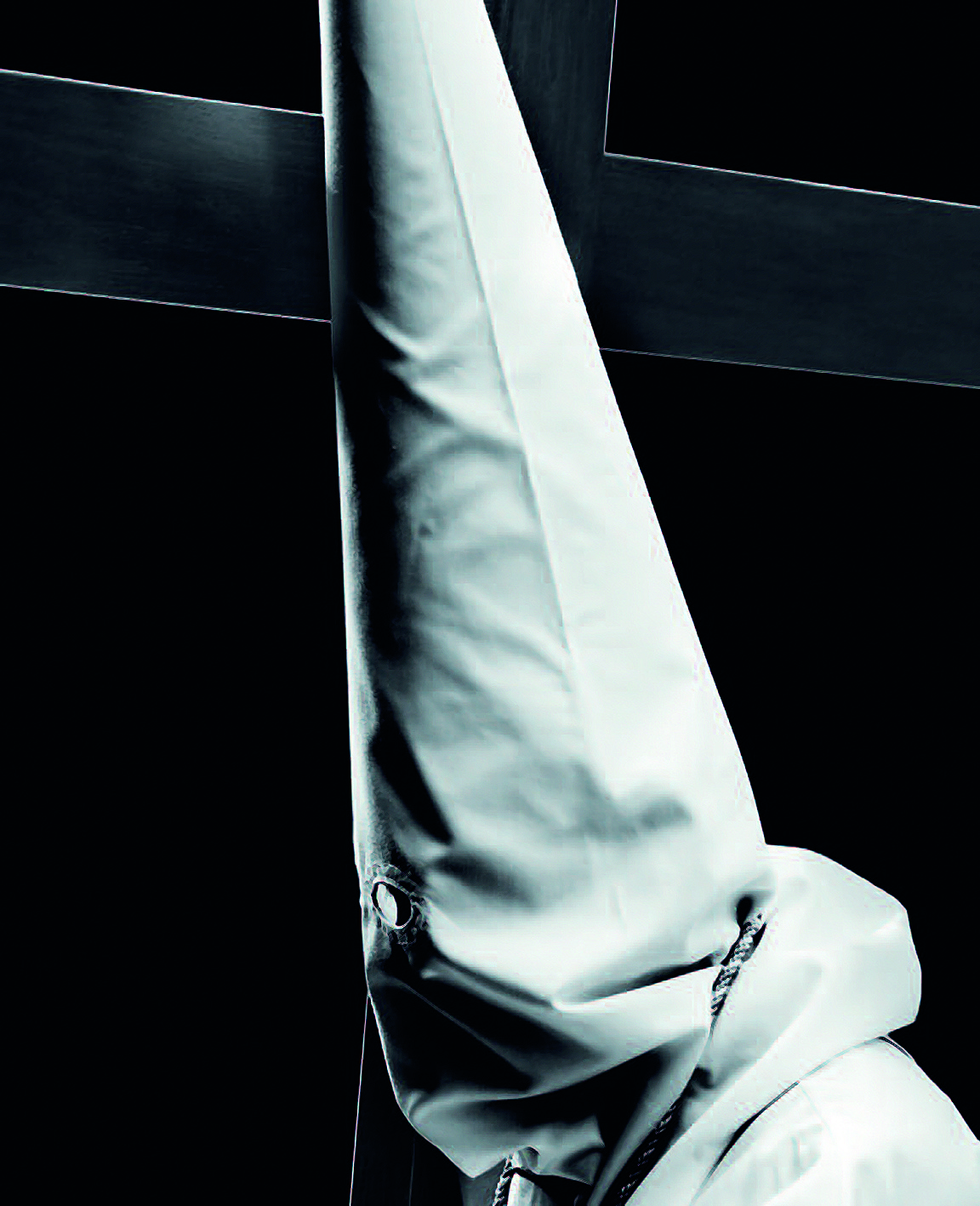
The parades are accompanied by brass bands, drummers and participants in traditional robes with hoods, the so-called Nazarenos.
In the city of Alicante alone, 28 processions parade through the streets during Holy Week. They are organised by 27 brotherhoods, each with their own figures, vestments and procession carriages.
Different traditions along the coast
Although the religious basis is the same everywhere, each town along the Costa Blanca has developed its own form of Holy Week.
Elche - Palm Sunday with white palm branches
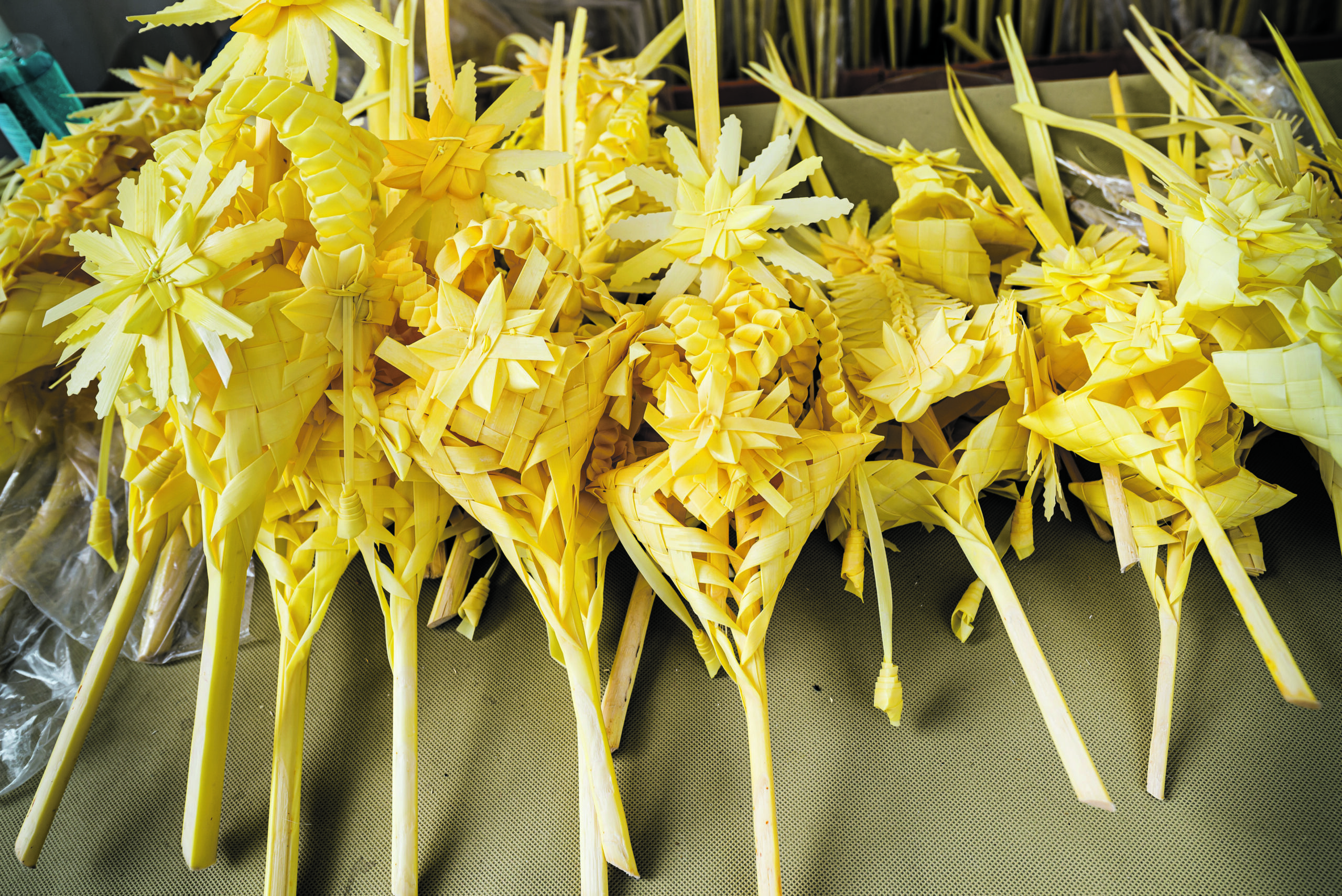
Palm Sunday in Elche is one of the most famous Easter traditions in Spain. Thousands of participants carry elaborately woven white palm leaves made in the town's palm grove.
The procession begins on Palm Sunday, 29 March 2026, and passes through the historic centre around the Basilica of Santa María. Around 70,000 people accompany this procession every year. The celebration is recognised as a Fiesta de Interés Turístico Internacional.
Orihuela - baroque figures and historical rituals
The processions in Orihuela are among the most important in the region. More than 8,000 participants and over 1,000 musicians take part in large processions.
The „Procesión del Santo Entierro“ on Good Friday, 3 April 2026, during which religious sculptures from the 18th century are carried through the old town, is particularly impressive. Many of the figures come from the workshop of the baroque sculptor Francisco Salzillo.
A unique ritual is the appearance of the Caballero Cubierto, who carries the city banner - a privilege that dates back to papal documents from the 17th century. The night before, on Maundy Thursday, 2 April 2026, the „Procesión del Silencio“ parades through the streets with virtually no musical accompaniment.
Crevillente - Good Friday with a long tradition
Crevillente also has one of the most famous Good Friday processions in the region. Its origins date back to the 18th century.
After the processions, many families enjoy a traditional breakfast: „pa torrat“ with cod, beans and coca biscuits. The Semana Santa of Crevillente is also recognised as a Fiesta de Interés Turístico Internacional.
Alicante - Encounter on Easter Sunday
Holy Week in the provincial capital is characterised by numerous processions. The most important of these include
During the „Encuentro“, the figures of the risen Christ and the Virgen de la Alegría meet in the Plaza del Ayuntamiento. Thousands of small paper images - known as aleluyas - are strewn across the square.
Dénia - Meeting of the characters
In Dénia, a meeting procession is one of the most impressive moments of Holy Week. On Easter Sunday, 5 April 2026, two separate processions make their way through the old town - one with a figure of Christ and the other with a representation of the Virgin Mary.
Both processions later meet in a central square in the town. The meeting of the figures symbolises the resurrection and traditionally marks the end of Holy Week in the Marina Alta.
The structure of Holy Week
Semana Santa follows a fixed liturgical sequence:
Palm Sunday - 29 March 2026
Commemoration of the entry of Jesus into Jerusalem, often with palm processions.
Maundy Thursday - 2 April 2026
Commemoration of the Last Supper, usually with evening processions.
Good Friday - 3 April 2026
Commemoration of the crucifixion of Christ; in many places the largest and most solemn processions take place on this day.
Holy Saturday - 4 April 2026
Day of silence with religious devotions.
Easter Sunday - 5 April 2026
Celebration of the resurrection, often with meeting processions.
Music, art and community
The processions are accompanied by groups of drummers, brass bands and traditional Good Friday marches. Many of the sculptures carried are considered important works of religious sculpture and are regularly restored.
In many places, entire families have belonged to a cofradía for generations. For many members, taking part in the processions is part of their personal and family history.
Culinary traditions around Easter
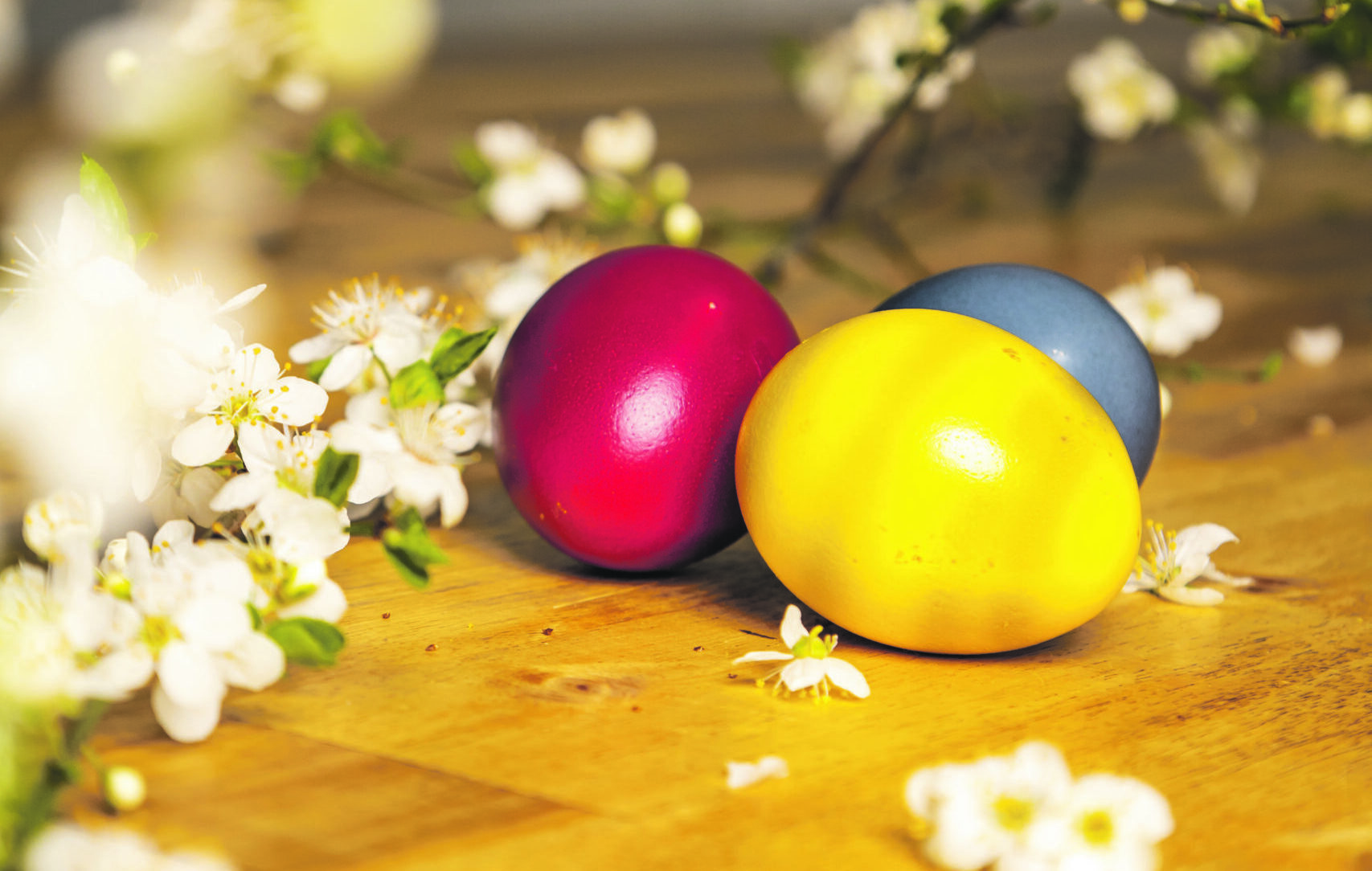
Easter traditions are also reflected in the cuisine. During Lent, dishes with bacalao, salted cod, are often on the menu.
The typical specialities include
A pilgrimage after Easter
Another important religious event in the region follows shortly after Easter: the Romería de la Santa Faz near Alicante.
Every year, more than 200,000 people make this pilgrimage along a route of around eight kilometres from Alicante to the Santa Faz monastery. It is one of the largest religious pilgrimage events in Spain.
Between Marina Alta, Marina Baixa and Vega Baja, there is a remarkable variety of local traditions during Holy Week. Each town along the Costa Blanca has developed its own processions, figures and rituals - many of which have been practised for centuries and still characterise the religious and social life of the region today.
ADVERTISEMENT