ADVERTISEMENT
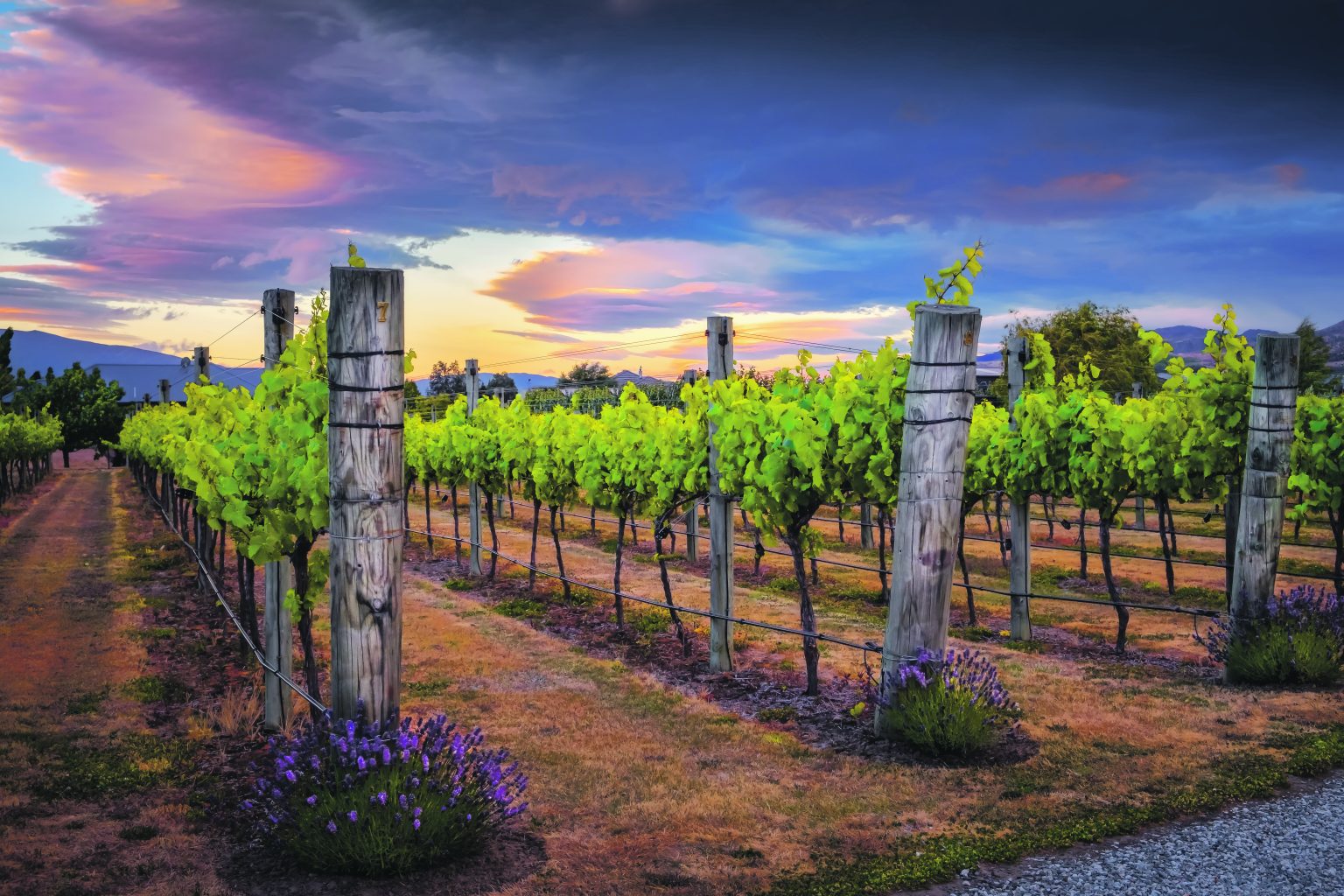
At the start of August, the rhythm of life in the vineyards of the province of Alicante changes. In the Marina Alta, attention is increasingly turning to Moscatel, one of the region’s early-ripening varieties. Further inland, however, the grapes are not quite ready yet. There, many Monastrell grapes will remain on the vines for several more weeks.
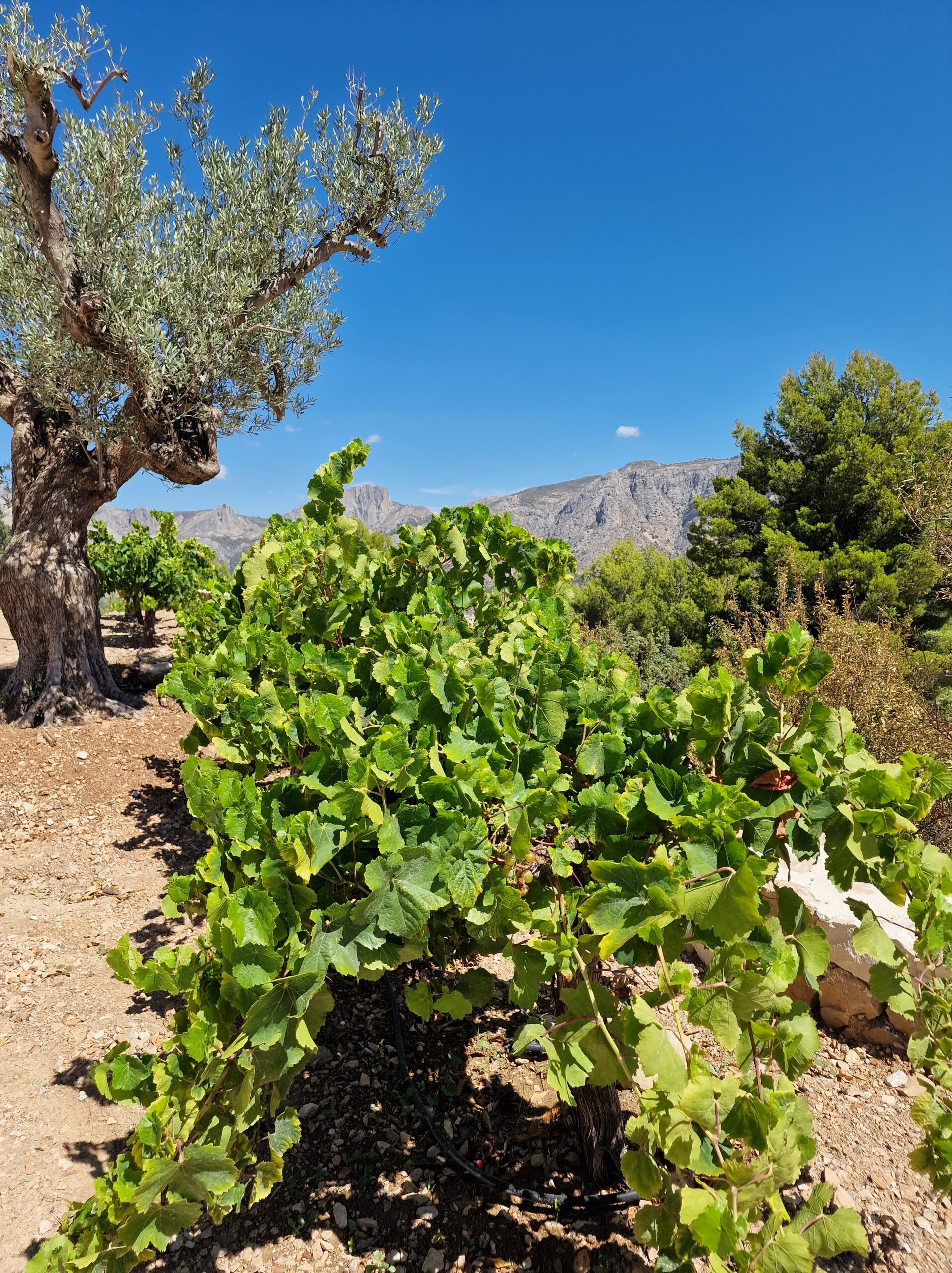
It is precisely this difference that characterises the grape harvest on the Costa Blanca. There is no single day on which the vendimia begins everywhere at the same time. Between Xaló, Llíber, Parcent, Benissa and Teulada on the one hand, and the major wine-growing regions of the Vinalopó on the other, there are variations in altitude, soil types, grape varieties and ripening times.
The harvest therefore stretches over several weeks. Whilst decisions on the right time to harvest are made early on in the Marina Alta, in many places the crucial phase for Monastrell does not begin until later in September and can extend into October.
The 2026 vintage is heading into the harvest under unusual circumstances. At the start of the year, water was not yet an acute problem. January was wetter than average in Alicante, and March also brought heavy rainfall to large parts of the province. After that, the weather took a turn for the worse.
July was exceptionally hot and dry. The average temperature in the Comunitat Valenciana was 27.3 degrees, which was well above the long-term average. At the same time, there was virtually no rain. By early August, soil moisture levels were also very low in many places.
For the vineyards, this means one thing above all else: keeping a close watch.
High temperatures can speed up ripening. At the same time, prolonged dry spells increase stress on the vines. Whether a bunch of grapes is ready for harvest is therefore not determined solely by the date or sugar content. The vineyard’s location, the condition of the vines and the desired style of wine also play a part. In years like these in particular, choosing the right time to harvest can quickly become a matter of just a few days.
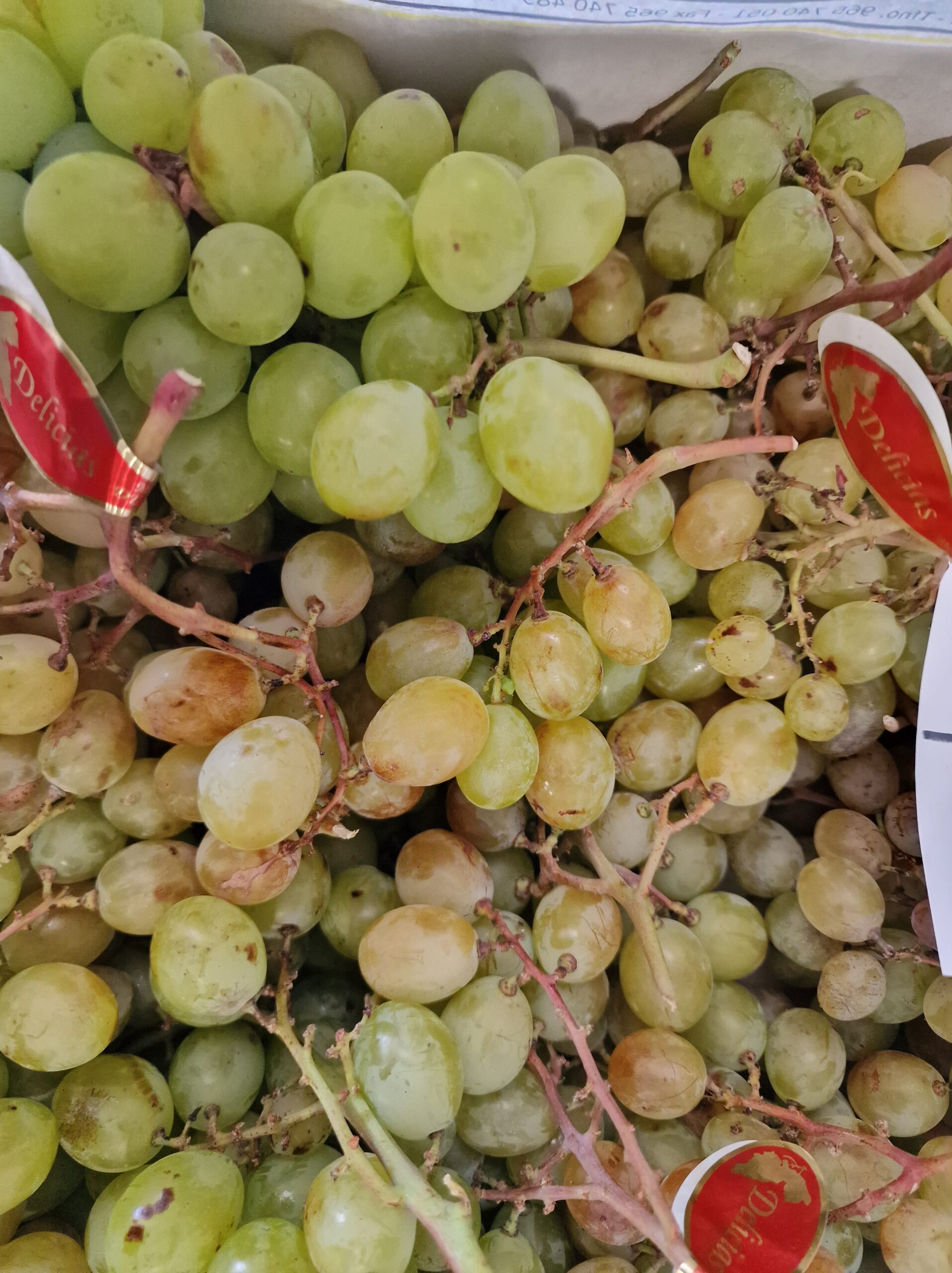
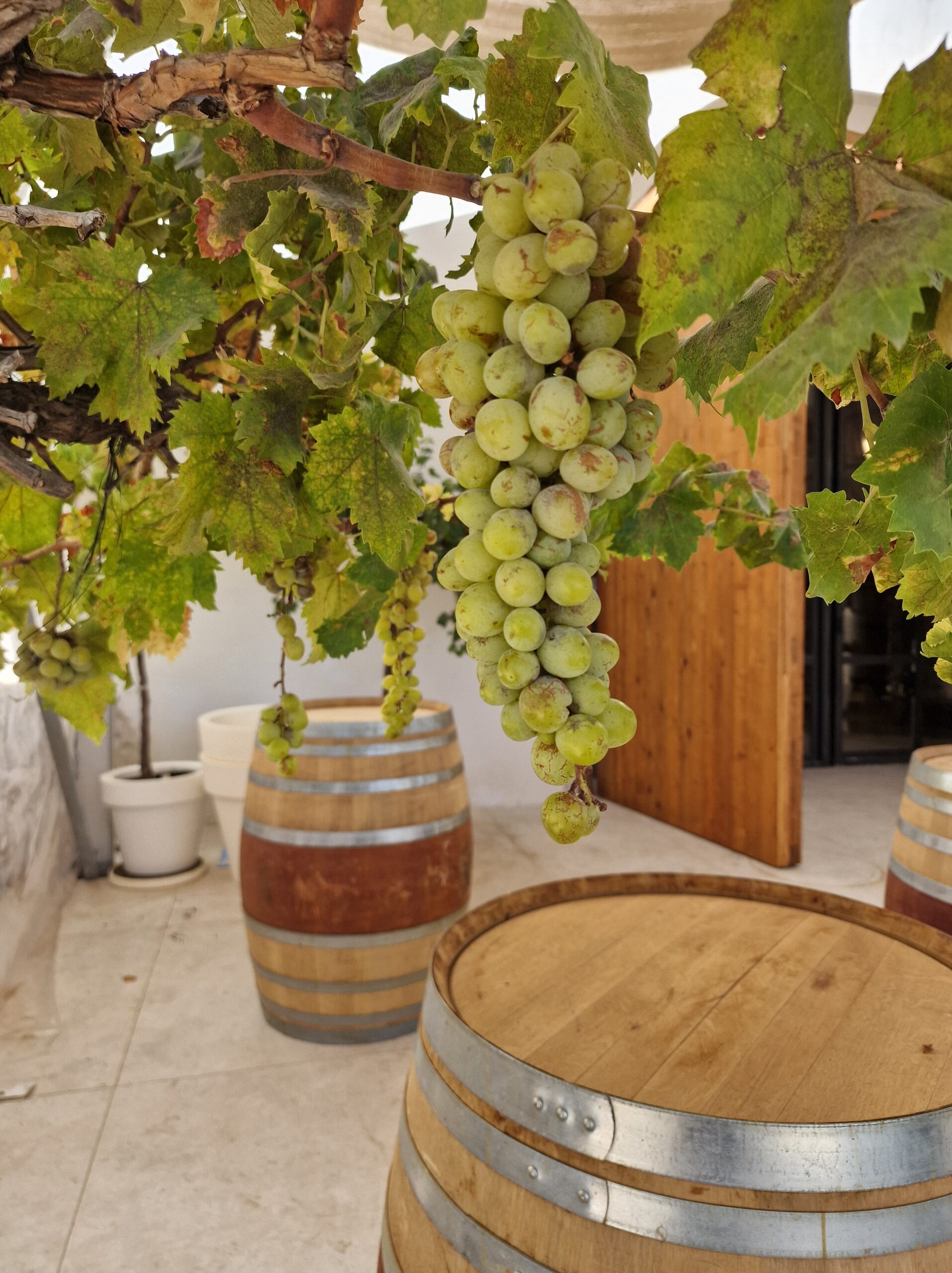
On the northern Costa Blanca, the start of the grape harvest is associated above all with one grape variety: Moscatel de Alejandría.
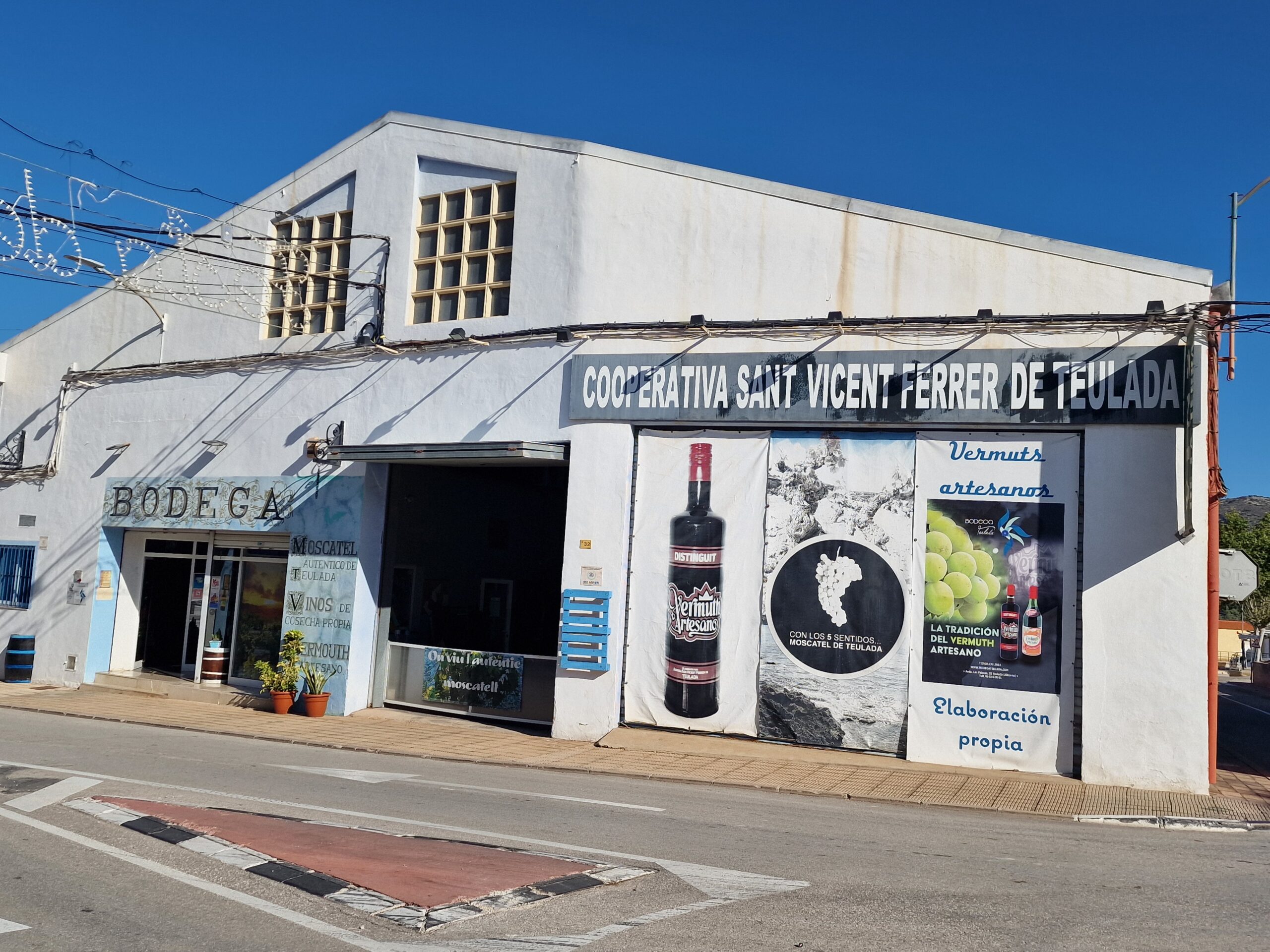
In the areas around Xaló, Llíber, Parcent, Benissa and Teulada, it continues to shape parts of the wine-growing industry to this day. Here, Moscatel is not only used to produce dry or sweet white wines; Mistela and the traditional production of raisins are also part of the variety’s history.
Their comparatively early ripening means that the vendimia becomes visible sooner in the Marina Alta than in other parts of the province. When the grapes are harvested, some estates deliberately do so in the early hours of the morning or at night. The lower temperatures help to ensure that the grapes are brought to the winery as cool as possible. What looks almost casual from the outside is, for the bodegas, one of the most labour-intensive phases of the entire year.
For local residents, this means that the wine-growing season can be experienced particularly first-hand during these weeks. Harvest vehicles on the side roads, crates full of grapes in the vineyards and a flurry of activity around the wineries are once again a more prominent part of everyday life in the region for a short while.
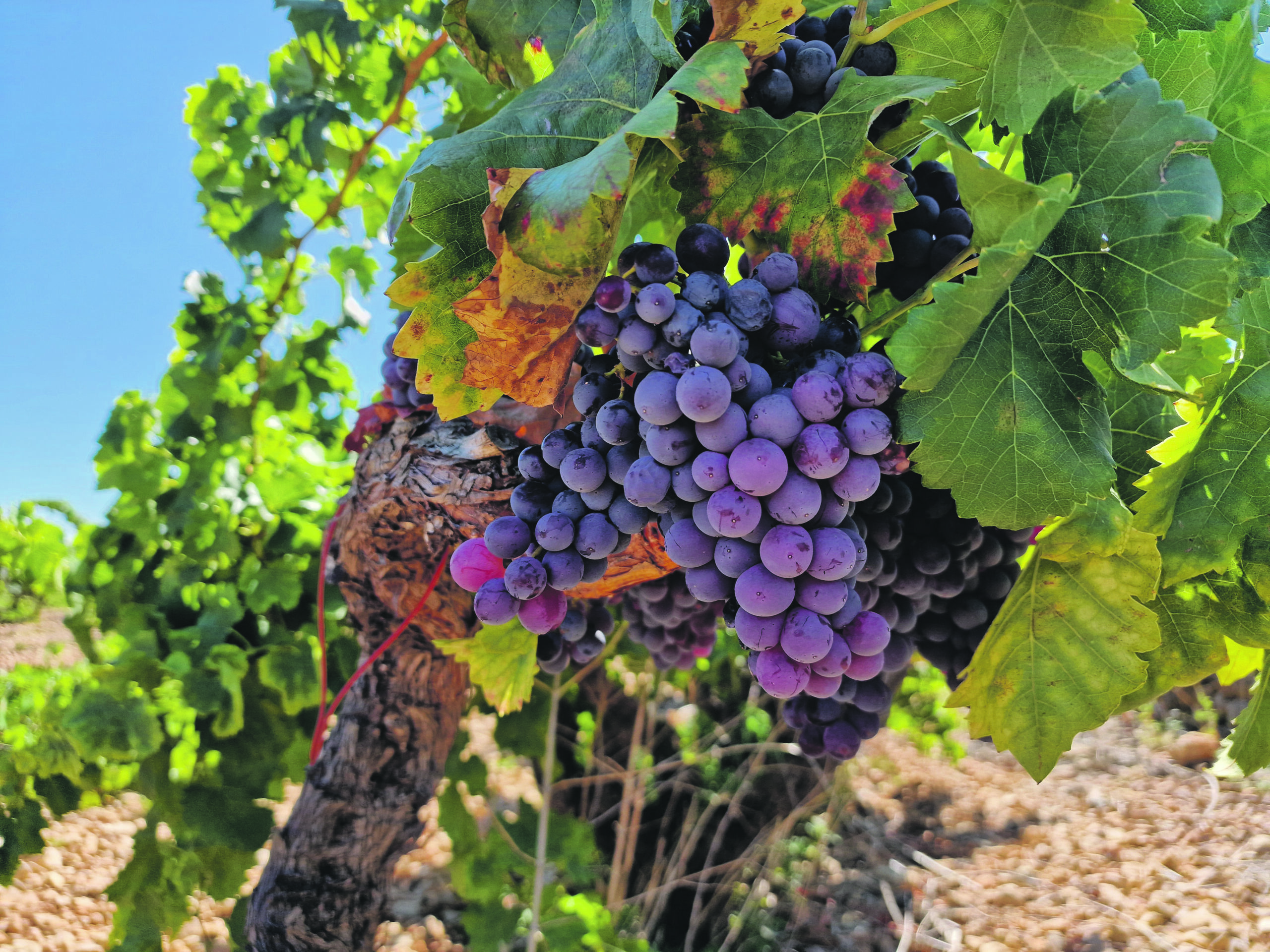
However, anyone who associates wine-growing in the province of Alicante solely with the Marina Alta is only seeing part of the picture. In terms of volume, the main focus lies much further inland. There, the dominant factor is above all the Monastrell – the most important red grape variety in the Alicante DOP and a variety that ripens considerably later than Moscatel.
Whilst in the north people are already discussing the harvest date, in many places the Monastrell still needs several more weeks. This is not a disadvantage, but part of its character. With this variety, it is all about a different balance of ripeness, concentration and structure. Consequently, winegrowers monitor the development of the grapes very closely before deciding when the harvest will actually take place.
It is precisely this time lag that illustrates just how differently the Alicante wine-growing region operates. Coastal vineyards, the drier inland areas, early-ripening white varieties and late-ripening red varieties all fall under the same designation of origin – yet they by no means follow the same calendar.
The figures from the previous harvest illustrate just how significant this difference is. In 2025, a total of around 15.18 million kilograms of grapes harvested. More than 60 per cent came from the Vinalopó Medio, with a further 30 per cent or so from the Vinalopó Alto. The Marina Alta accounted for 8.58 per cent, whilst the Marina Baixa accounted for just 0.51 per cent.
Although the Moscatel from the coastal region is therefore particularly prominent and deeply rooted in the local culture, in terms of volume, the majority of Alicante wine is produced in the hinterland. Following the extremely dry previous years, the harvest yield had recovered slightly in 2025. The Moscatel also showed some signs of recovery at that time. It is not yet possible to make a reliable assessment of what 2026 will bring. And that is precisely what makes these weeks so exciting.
For the winegrowers, this is the time of year when experience becomes more important than any calendar.
Harvesting as early as possible is not automatically better. Nor is waiting longer. With Moscatel, the aim is to preserve the aroma and freshness. With Monastrell, additional ripening can enhance concentration and structure. At the same time, the effects of heat and drought stress must not be underestimated. That is why even neighbouring plots may be harvested on different days. What later seems self-evident in the glass begins right here: with the decision as to whether a bunch of grapes stays on the vine or is brought to the winery.
For wineries, the grape harvest is therefore not particularly romantic but involves a great deal of work. Anyone wishing to visit a winery or plan a tasting in the coming weeks should therefore check in advance whether regular guided tours are taking place during the harvest. Some wineries adjust their visiting hours during this period to suit their work schedule.
For local residents, however, the grape harvest is one of the best opportunities to appreciate regional wine-growing not just as a product, but as an integral part of the local agricultural landscape.
Between Moscatel in the Marina Alta and Monastrell in the Vinalopó, the coming weeks will reveal just how the unusual summer of 2026 will actually affect the new vintage. It would be too early to pass a definitive judgement on yield and quality at this stage. The crucial weeks have only just begun.
19 August – Tasta l’Estiu, El Poble Nou de Benitatxell
As part of the summer event series „Tasta l’Estiu“, a tasting of wines and traditional produce, featuring Melicatessen, is scheduled for 19 August. The cost is 3 euros per person; advance booking is required.
Information and registration:https://elpoblenoudebenitatxell.com/en/eventos/tasta-lestiu-2026/
24–28 August – 11th Mostra Curts de Moscatell, Teulada
In Teulada, Moscatel is celebrated not only in the vineyard. The eleventh edition of the short film series „Curts de Moscatell“ is taking place at the Auditori Teulada Moraira, bringing together this iconic regional grape variety with film and culture. The dates from 24 to 28 August have been officially confirmed.
Information: https://www.turismoteuladamoraira.com/ttm/web_php/index.php?contenido=esdeveniments_coconut&idEsdev=2056&lang=6&title=xi-mostra-curts-de-moscatell
Teulada Moraira Auditorium: https://www.auditoriteuladamoraira.es/
29 August – Festa del Moscatell, Teulada
One of the most important events centred on Moscatel in the Marina Alta. At the end of August, Teulada traditionally puts the spotlight on the cultivation of the Moscatel grape and the products made from it. For 2026, the official calendar of events lists the 29 August; these are the Riurau on the road to Benimarco and Avenida Las Palmas.
Information: https://www.turismoteuladamoraira.com/ttm/web_php/index.php?contenido=subapartados_coconut&id_boto=1036&lang=6&title=festa-del-moscatell
4 and 5 September – Alere/DOLIA, Teulada
The 15. Wine Tourism and Gastronomy Fair takes place at the Auditori Teulada in Moraira. The event combines wine, gastronomy and products with protected designation of origin, with a special focus on Moscatel de Alejandría. The official calendar confirms 4 and 5 September for 2026.
Information: https://turismoteuladamoraira.com/ttm/web_php/index.php?contenido=subapartados_coconut&id_boto=1055&title=aleredolia
Teulada Moraira Auditorium: https://www.auditoriteuladamoraira.es/
August to October – Entre Viñas y Bodegas, Villena
During the harvest season, Villena brings together a range of activities centred around vineyards and wineries. These include harvest experiences, special winery tours, culinary offerings and activities in the vineyards. Individual programmes run from August to October; at Bodega Las Virtudes, for example, the „Lo que la tierra nos da“ programme is available during this period.
Current programme and bookings: https://turismovillena.com/entre-vinas-y-bodegas/
Benissa – Moscatell Festival
The 2026 date has not yet been confirmed. The festival is one of the regional events centred around Moscatel and the grape harvest. The official Benissa tourism website currently still lists the edition from 6 September 2025 published. At the time, the programme included, amongst other things, grape pruning, the traditional work of the „Estisoradores“, grape treading and tastings of local produce. A new date for 2026 has not yet been announced there.
Latest information:https://www.benissa.es/agenda-eventos/fiesta-del-moscatel/
Benissa Events Calendar: https://www.benissa.es/fiestas/
Llíber – Fira del Llaurador and Escaldà de la Pansa
The 2026 date has not yet been confirmed. The traditional Fira del Llaurador brings together agriculture, Moscatel, the public „Escaldà“ raisin-making event and winemaking. The local council documents the event on its website, but has not yet published a date for 2026 there.
Latest announcements from the local council:https://lliber.org/
Xaló – Mercat de la Terra / Festa de la Verema
The 2026 date has not yet been confirmed. In Xaló, the grape harvest is traditionally celebrated as part of the „Mercat de la Terra“. The local council still lists the „Festa de la Verema“ on its official website, but has not yet published a date for the 2026 event.
Information about the Festa de la Verema:https://www.xalo.org/es/mercat-de-la-terra-festa-de-la-verema/
Mercat de la Terra / latest information:https://www.xalo.org/es/mercat-de-la-terra/
As at 10 August 2026. Programmes, times and individual dates are subject to change, even for events that have already been announced. Tourist Info Teulada Moraira, for example, expressly points out that there may be changes to the calendar of events.
Source reference: Alicante PDO Wine Regulatory Council, AEMET and the editorial archive of *Costablanca* magazine. Date of the information used in the source text: 10 August 2026.

ADVERTISEMENT