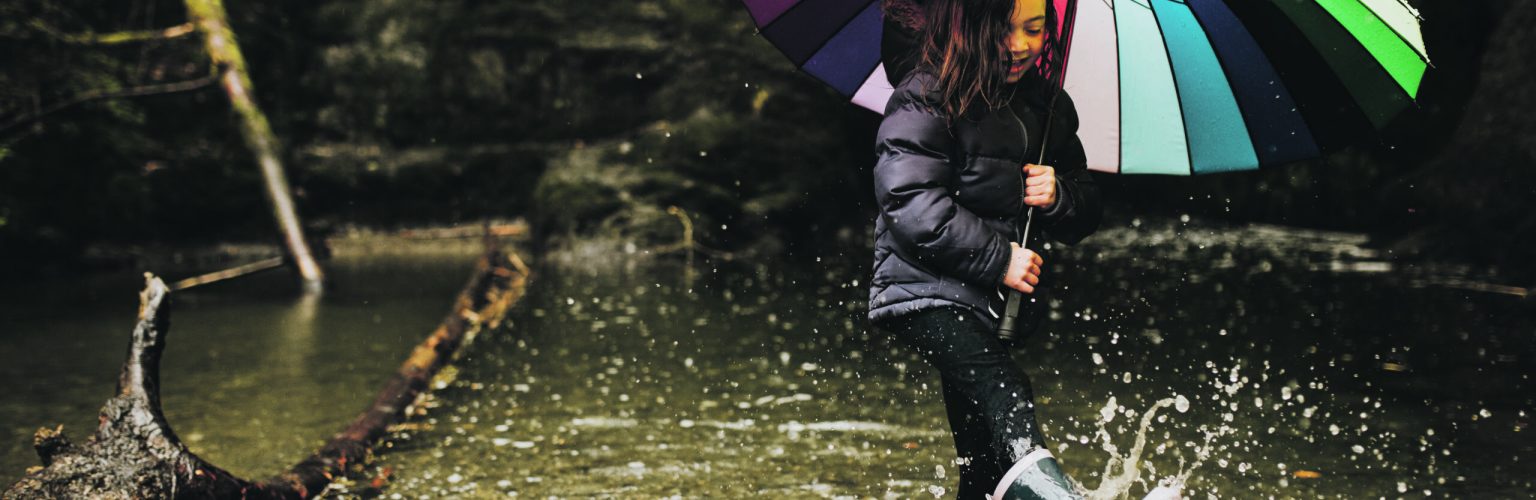
The recent rainfall has eased the situation, but fundamental infrastructure problems persist. Despite higher reservoir levels, the region is waiting in vain for crucial investments.
Although the rain in recent weeks has provided relief, the water situation in the Marina Baixa remains tense. Storage reserves currently stand at around 53 per cent - a significant increase on the previous year's figure of 41 per cent and slightly above the ten-year average of 48 per cent. Nevertheless, according to the Confederación Hidrográfica del Júcar (CHJ), the region remains officially in a state of drought emergency - as the only one of nine management systems in the Júcar catchment area.
For years, the affected communities have been waiting for a sustainable modernisation of the water infrastructure. The structural deficits have recently become clear again: although it rains more in certain areas, the storage capacities are not sufficient to utilise these volumes in the long term.
High demand, low capacity
Water is a critical resource, particularly in the Marina Baixa, where over 93 per cent of the regional population is concentrated in just 41 per cent of the area. The Amadorio and Guadalest reservoirs - central elements of the supply - together only hold 25 hm³. Even average dry periods such as 2023/2024 will push the system to its limits.
The CHJ's requirements have also been criticised: minimum ecological discharges are required in estuaries such as the Guadalest or Amadorio, even though these only carry water temporarily. An appeal to the Supreme Court is pending.
Much promised - little realised
In the current national management plan, investments totalling 57.6 million euros have been earmarked for the region - none of which have been implemented to date. New reservoirs, improved retention basins or a better connection to existing desalination plants are still lacking. The last major measure was the connection to the Mutxamel desalination plant, which went into operation in 2014.
Temporary solutions with a system
The region has proven over decades that pragmatic, local water management works - even without centralised support. However, population growth, increased agricultural demand and growing pressure on ecological reserves make it clear that without a strategic addition of additional infrastructure - such as the planned desalination plant in Benidorm from 2028 - the supply is not secure in the medium term.
Despite the fact that the reservoirs are currently better filled, the water situation in the Marina Baixa remains a sensitive issue. What is missing is not short-term relief - but a long-term perspective.
Under www.embalses.net you will find the daily updated water levels